The browser you are using is not supported. Please consider using a modern browser.

Your Brand Needs to Evolve. Six Things to Consider.
At some point every successful company reaches a moment where they are forced to evolve.
It could be a strategic evolution, perhaps the younger newer generation is taking over the family business and wants to make a shift. Or maybe it is a forced evolution, caused by a major industry disruption or fundamental shift in the competitive landscape. And sometimes, its natural progression; you’ve outgrown the brand you built twenty years ago and it’s time to modernize.
These strategic inflection points are much more than just a creative refresh. You are shaping how your brand will show up and be perceived for the next decade (or more) by your customers, your employees, and your competition.
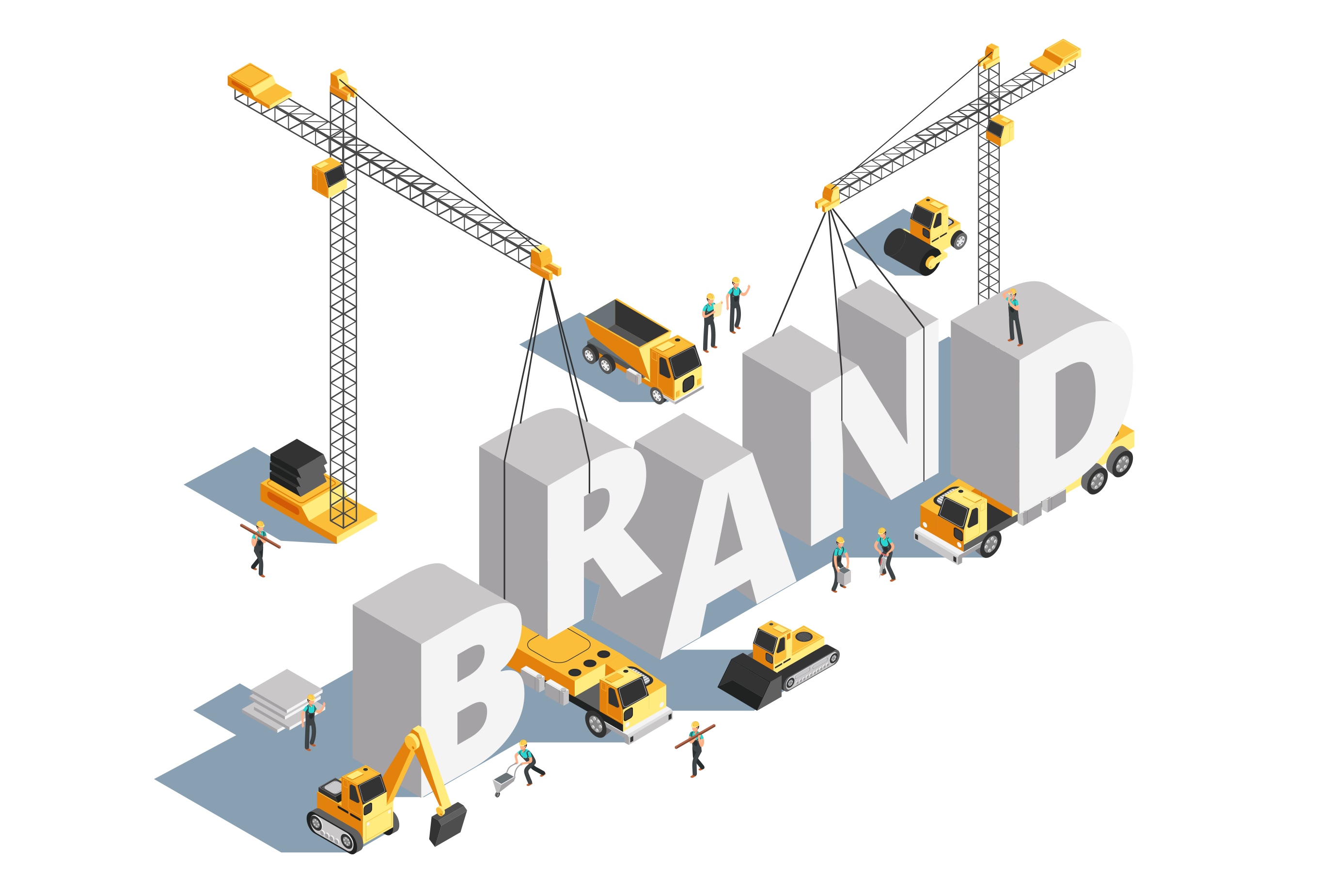
You need more than a fresh coat of paint, you need an architect who can reimagine what you build on your existing foundations. Here are six key things to consider as you lead your company through this transformation.
1. Ask the Right Questions
Up until now, your marketing has been pretty steady. You’ve worked with reliable vendors who deliver on time, on budget, and get results. But during a strategic shift, you might find that what used to work no longer works, and continuing to “execute” is actually slowing down your growth.
The adage “slow down to go fast” applies here, and this situation calls for a partner who understands what you’re actually trying to accomplish at the business level. If you are working with vendors who are great at tactical delivery, but lacking in strategic advisory, you either need to build that muscle internally or bring in an outside partner for help.
This requires an enormous amount of trust. You want someone who thinks about your business as if they were the owners. They should be asking questions about your competitive dynamics, growth trajectory, sales process, customer journey, and operational systems. This proves they are thinking about transformation, not deliverables.
2. Think Full-Stack from the Start
Brand identity goes far deeper than just the visuals on your website. It’s your trade show presence, your vehicle wraps, your advertising campaigns, social presence, proposals, recruiting materials, digital content, and more.
If you neglect even part of this ecosystem, your brand could end up diluted, inconsistent, or incompatible with entire elements of your business. This is why you need to consider the entire system–or what we call “the full stack” from the beginning.
This means considering how your trade show booth connects to your digital presence and your sales collateral. How your website impacts your social presence and your customer experience. Inconsistencies or gaps here could undermine your transformation before it even begins. It’s one integrated movement, not a series of separate projects.
3. Look for Honest Counsel, Not Validation
Transitions are risky. You’re making decisions that will be hard to undo. This is exactly when you need partners who will push back when something doesn’t make strategic sense (even if it means less revenue for them.)
The right partner should protect your long-term outcomes over their short-term billings. They should tell you when you’re not ready for something yet. When an idea won’t actually serve your goals. When you’re moving too fast or not fast enough. They should care enough to give you guidance that actually serves you, because they believe in your business as much as you do.
When everyone is nodding along with every idea, you have order-takers not strategic partners. As a leader who is navigating a massive transition, you should seek out partners who challenge your thinking and expand your perspective, because that means they have your best interests at heart.
4. Who You Talk To Matters
Brand strategy decisions should not be made lightly. You are making calls about positioning, about messaging, about how to communicate change to stakeholders. These decisions have lasting impacts and require c-suite level expertise.
If you are working with a marketing agency, you should expect c-suite level guidance. The people you meet on the pitch call should be the same people executing the work, and the same people you call later with questions. It’s not the size of the agency that matters, it’s the strategic continuity. The person who understands why you made certain decisions six months ago should be the same person advising you today.
5. The Results Should Compound, Not Expire
You’re not investing in work that looks impressive at launch (although that is definitely a goal). You’re investing in strategic infrastructure that grows with your company. Instead of focusing on today’s trends, prioritize assets that will still work three years from now when your market has evolved, your team has doubled, and you’re facing your next transition.
This requires a different kind of thinking. You need a partner who can help build systems that are flexible enough to evolve but structured enough to maintain consistency. Designing materials that your team can actually use and build upon, not just admire.
6. Know What You’re Actually Buying
You’re not buying a website, a new logo, or a campaign. You’re buying the next evolution of your business. The wrong choice means wasted time, wasted budget, lost brand equity, and potential damage to your reputation. The right choice means establishing yourself as an industry leader, innovating while others resist change, and capturing attention from a new generation of buyers.
You have tons of options when it comes to marketing agencies, but when it comes to navigating a major inflection point, choosing the right fit partner is less about a long list of capabilities (which most agencies share), and more about mindset and approach. You’ll want to choose a partner who can help you build an ecosystem, not produce a deliverable.
What This Looks Like at Vitamin
Our team operates like fractional CMOs who happen to have an entire creative and technical back-office attached. From day one, we think about how every element of your brand connects, integrates, and compounds over time. The senior strategists you talk to in our initial conversations are the same people who’ll be executing your work and answering your calls six months from now.
For over two decades, we’ve partnered with established mid-market companies—particularly in the built environment, manufacturing, and professional services—who are ready to evolve their brand for the next phase of growth.
We’re the right choice if:
- You’re at a true inflection point, and need more than steady-state marketing
- You value honest strategic counsel that may challenge your thinking
- You need partners who understand your business at the ownership level
- You’re ready to invest in transformation that lasts years, not months
- You have experience working with marketing vendors and value our approach
We’re probably not the right fit if:
- You’re primary constraint is budget, time, or bandwidth
- You need pure execution without strategic partnership
- You’re building a marketing function from scratch and need foundational infrastructure first
- You’re looking for an adjunct to your internal marketing team to support project-based work
If you’re ready for a partnership that operates as an extension of your business, let’s talk. We’d be honored to help shape what’s next. Contact us to get started.
Let's Do Something Great.
Get in Touch.